Sleep in 5 minutes — even if your mind is racing, With a Simple 5-Minute Night Ritual.
You don’t need pills to sleep. You need a calming 5-minute ritual based on ancient monk practices, adapted for today’s busy, overactive mind.
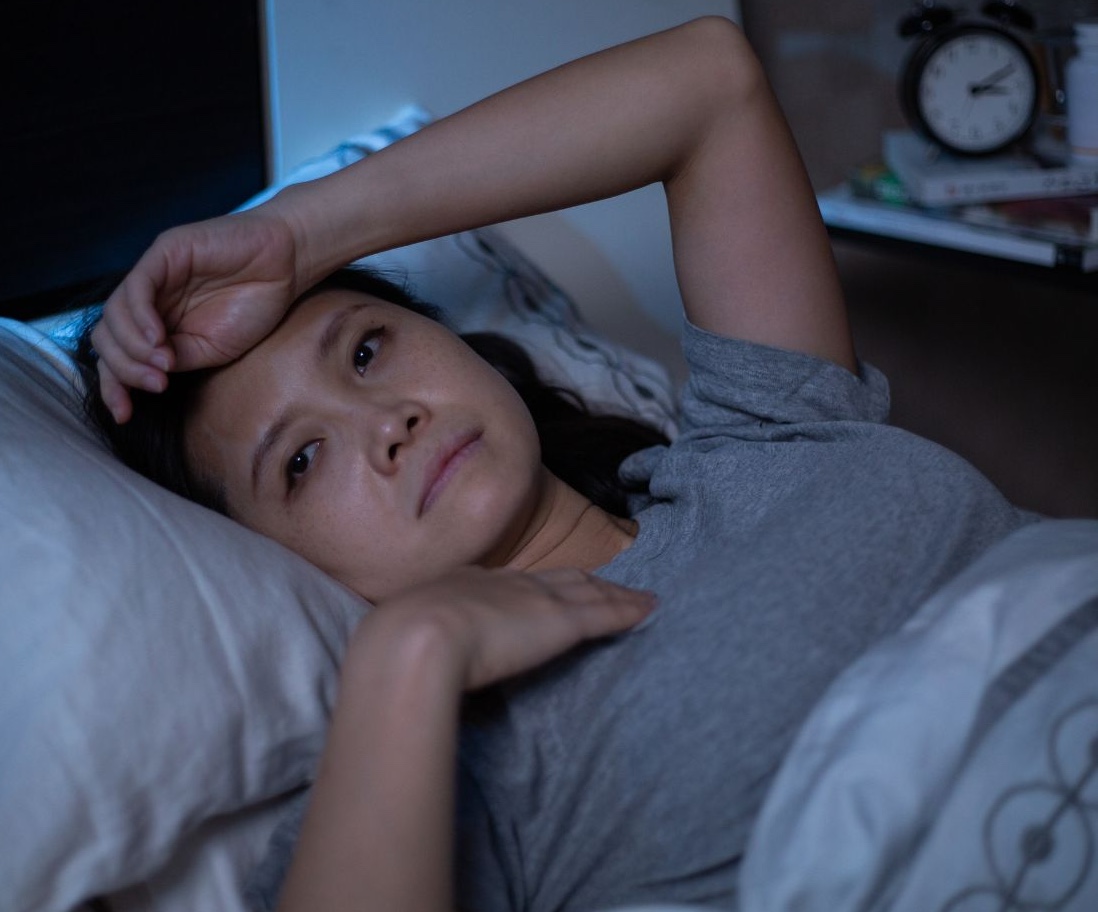
If you’re here, you probably know this feeling:
Your body is exhausted… but your mind is running a marathon.
You replay conversations, to-dos, worries, and “what ifs.”
You try to force yourself to sleep… which only makes you more awake.
You scroll your phone hoping to get tired.
You count hours until morning.
You dread nighttime because you know the cycle will repeat.
This isn’t a lack of discipline.
It is NOT anxiety.
It's not because you're a bad sleeper.
And you definitely DO NOT need more pills.
👉 Your nervous system is stuck in ON mode.
No amount of forcing, pills, thinking, or wishing can overpower that.
Your mind needs a ritual — not more information.
❌ WHY OTHER THINGS HAVEN’T WORKED

Sleep tips aren't enough.
You’ve heard them all: no screens, dark room, no caffeine, meditate, read…Good advice. But none of them switch off a busy mind.
Meditations are too long or too mental.
Overthinkers can’t meditate when they’re anxious — the mind doesn’t settle.
Melatonin & sleep aids don’t fix the real issue.
They sedate the body… but the mind stays active. And many people build tolerance or dependency.
Sleep hygiene requires too many lifestyle changes.
Most people want something they can do right now, tonight.
Your brain is trained to stay awake in bed.
If you’ve struggled with sleep for months or years, your brain has formed a wakeful habit it repeats automatically.
That habit can’t be broken with advice.
👉 It can only be interrupted with a repeatable ritual that retrains the brain.
🌙 AFTER THE 5-MINUTE RITUAL, YOU WILL FEEL…
Your mind slowing down naturally
Your body becoming heavier and more relaxed
The tension in your face, shoulders, and chest melting away
A warm, calming wave moving downward through your body
Thoughts losing intensity and drifting away
A sense of peace that feels almost like sinking into a warm bath
The first time in years you actually look forward to going to bed
People describe the experience as:
“A gentle switch turning off.”
“Like my mind… softened.”
“My thoughts faded on their own.”
This ritual doesn’t force sleep.
It activates the mechanism your body already has.
🌕 WHAT IS THE 5-MINUTE SLEEP RITUAL?
It’s a short, powerful sequence of:
Breathwork
Gentle body release
A calming ancient mantra
A visualization method used by monks
A progressive relaxation technique
All combined into one nightly ritual that signals to your mind:
“The day is over. It’s time to rest.”
You don’t meditate.
You don’t journal.
You don’t fight your thoughts.
You simply follow the steps — and sleep follows naturally.
🕯 THE RITUAL HISTORY
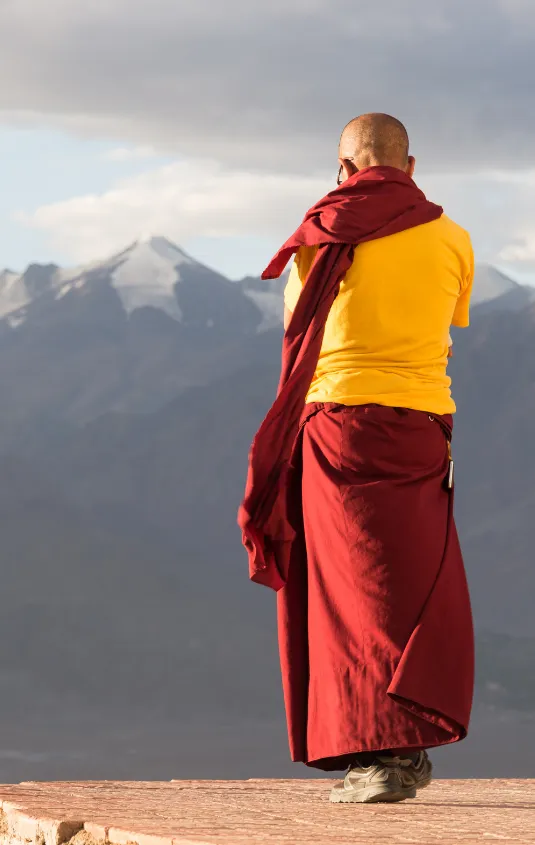
A thousand years ago, in a remote valley between Tibet and Mongolia, lived a small sect known as the Lucid Monks — mystics who devoted their lives to studying the moment between wakefulness and dreams.
They believed the mind enters sleep through alignment, not effort.
Through breath, visualization, and small symbolic gestures, they could fall asleep in minutes — even in harsh conditions.
Their teachings disappeared over centuries…but fragments of their practices survived in travel manuscripts and oral traditions.
5 Minute Sleep is a modern reconstruction of their ritual — updated with:
Neuroscience
Relaxation principles
Breathwork
Energetic grounding techniques
This ritual blends the ancient with the modern…and helps your mind discover a pathway it already knows but forgot.
🌙 BENEFITS OF THIS RITUAL
Fall asleep faster
Reduces sleep onset time by calming the nervous system.
Quiet a racing mind
The mantra & visualization interrupt looping thoughts.
Release body tension
The Release Gesture & Body Melt dissolve physical stress.
Create a nightly “sleep switch”
Your brain begins associating the ritual with sleep.
Reduce anxiety
Exhale-focused breathing activates the parasympathetic system.
Wake up more refreshed
Deeper sleep = better energy & clearer emotions.
Feel safer & calmer
Ritual = psychological signal of closure.
Works even if you “think too much at night”
Designed specifically for overthinkers and sensitive nervous systems.

“More than 50,000 people around the world have practiced this ritual over the last 7 years.”
Versions of this ritual — combining breathwork, progressive relaxation, visualization, and mantra — have been used by therapists, meditation teachers, sleep coaches, and wellness practitioners for over 30 years. Thousands of people have experienced significant improvements in their ability to fall asleep simply by practicing these principles and this ritual combines the methods that have guarantee results.
Real Customer Testimonials
5 Minute Sleep brings these proven elements together in a simple, structured ritual inspired by historical meditative practices.
It’s the first time this combination has been organized into a single 5-minute system designed specifically for modern overthinkers.
The Story Behind 5 Minute Sleep
By the author: Jorge Carrada
For most of my adult life, sleep felt like a luxury I couldn’t afford.
I worked in the world of television and media for years, where stress wasn’t occasional — it was the air we breathed. Later, when I transitioned into marketing, the pressure didn’t disappear. It simply changed shape. Long hours, deadlines, screens, strategy calls… everything demanded mental energy.
And eventually, my mind forgot how to shut off.
To make things worse, my life existed between two continents!!! My wife and I lived in Spain, but my work stayed tied to California. That meant late-night meetings that stretched past midnight, 2am video calls, and entire sleep cycles destroyed by jet lag and a backwards schedule. I was constantly tired, but never able to rest.
The exhaustion built slowly — migraines that throbbed behind my eyes, mornings where my head felt full of fog, nights where I lay awake replaying conversations and unfinished tasks. I tried everything: pills, supplements, meditation apps, podcasts, breathing videos… some helped for a night or two, but nothing lasted. Nothing actually calmed my mind enough to fall asleep when I needed to.
One night, after yet another late meeting lit only by the glow of my laptop, I realized something had to change. My body was giving up before my career ever would. So I began studying everything I could about sleep — not the big scientific theories, but the practical tools: breathwork, relaxation techniques, visualization, and even the meditative rituals used by monks who trained themselves to enter deep rest quickly.
I wasn’t looking for magic. I was looking for relief.
Piece by piece, I started experimenting… and something happened. A pattern emerged — a short, calming sequence that worked even when my mind was loud and anxious. A five-minute ritual that quieted my thoughts, relaxed my body, and helped me fall asleep faster than anything else I’d ever tried.
The first night it worked felt unreal. The second night felt like hope. By the end of the first week, I knew I had found something that could change people’s lives — starting with mine. This was 7 years ago, and now more than 50 thousand people have now benefitted from it.
That sequence became 5 Minute Sleep.
It’s not a medical treatment. It’s not a complicated sleep program. It’s simply the ritual I wish I had years ago — a gentle, effective way to tell your mind, “It’s safe to rest now.”
I hope this ritual finally helps you fall at asleep AT WILL, like it has helped me!

Author: Jorge Carrada
Copyright 2018-2025
5 Minute Sleep provides educational, relaxation, and wellness content designed to support healthier nighttime routines and promote a calmer mind.
This ritual is not a medical treatment, nor is it intended to diagnose, cure, or prevent any physical or psychological condition. The methods shared in this guide draw from established relaxation techniques, breathwork practices, visualization exercises, and historical meditative traditions. Results vary from person to person depending on individual circumstances, sleep habits, lifestyle, and overall health.